Best Vitamins and Minerals for Melasma (What Actually Helps)
Metabolic Beauty Code™
Melasma is metabolic, and micronutrients are the biochemical infrastructure that either supports or sabotages the metabolic signaling driving pigment.
To understand why micronutrients matter, you first need to understand that melasma is driven by internal signaling, not just pigment → Melasma Is Metabolic: What Dermatology Misses
Micronutrients THAT SHIFT MELASMA BIOCHEMISTRY
Vitamin A governs epidermal turnover, keratinocyte behavior, and melanin regulation through retinoid receptors. When it is adequate, skin cycles normally, UV-induced pigmentation is suppressed, and immune regulation stays balanced. When it is deficient, those processes slow, inflammation rises, sebum dysregulates, and melanocyte signaling becomes easier to trigger.
The clinical consideration with Vitamin A and melasma is copper. Liver-based sources are high in both Vitamin A and copper, and elevated copper directly amplifies tyrosinase activity and estrogen retention. Source selection matters as much as the nutrient itself.
Best sources: cod liver oil (high Vitamin A and D synergy, lower copper load), carotenoid-based Vitamin A for those with copper excess, topical retinoids for epidermal turnover support.
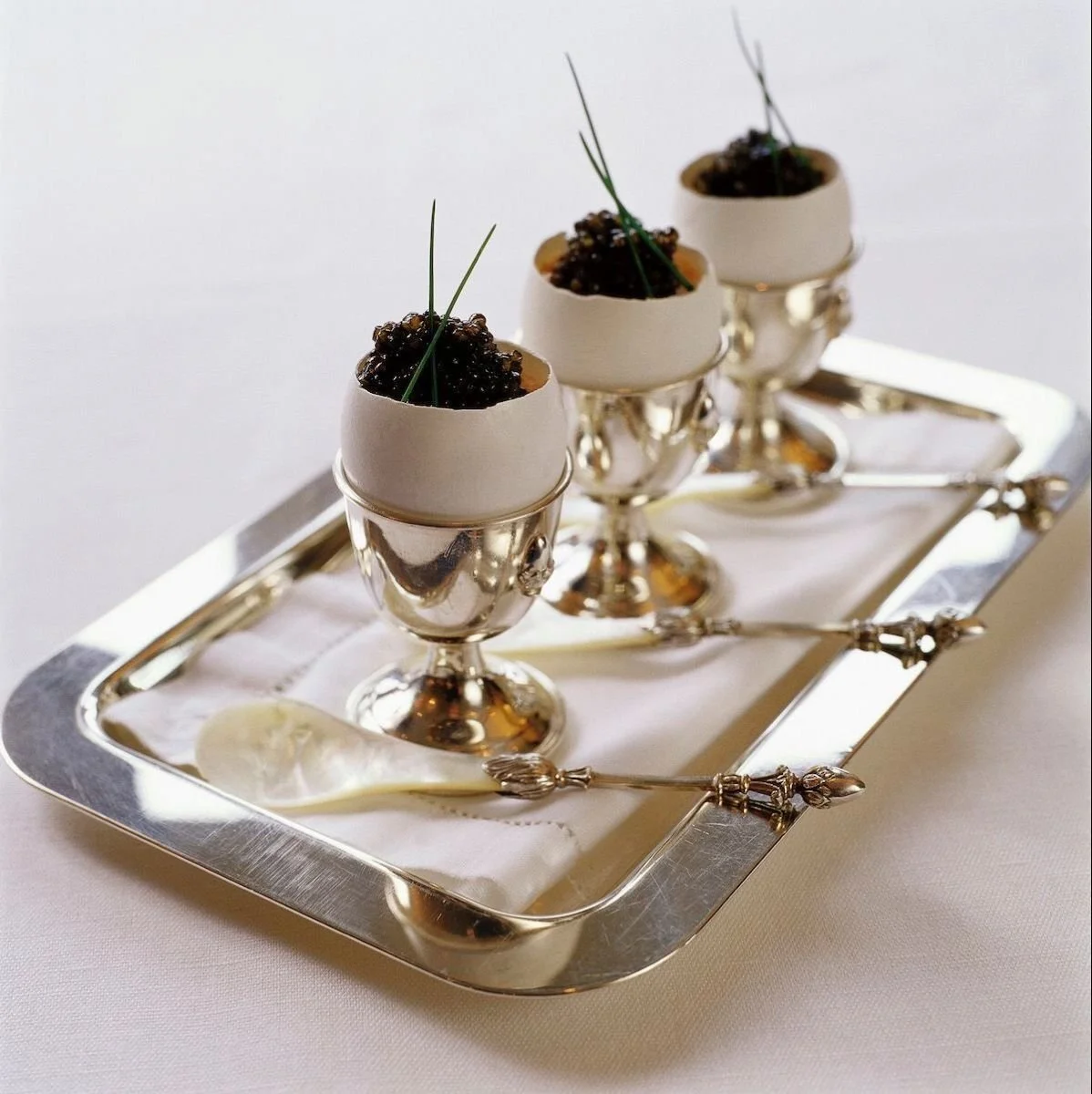
Vitamin A — The Retinoid Blueprint (Internal + External)
B Vitamins — The Hormone-Skin Axis Regulators
B vitamins sit at the intersection of every pathway that drives melasma. They regulate methylation, which governs estrogen detoxification. They modulate adrenal function and ACTH output, which directly influences α-MSH, the primary pigment-stimulating hormone. They support barrier formation, collagen synthesis, and inflammation signaling.
The melasma-specific pattern: B6 deficiency allows estrogen-progesterone imbalance to persist unchecked. B9 (folate) deficiency keeps ACTH elevated, which keeps α-MSH elevated, which keeps the melanocyte activated. B12 is more nuanced, deficiency can present with hyperpigmentation that mimics melasma, but excess B12 in a small subset may deepen existing pigment through mechanisms still being studied.
Isolated B vitamin supplementation frequently creates downstream imbalances. The B vitamins work as a system, supplementing one in isolation without cofactor support disrupts the methylation cycle rather than supporting it.
These pathways connect directly to hormone signaling and melanocyte activity → Hormones and Melasma
Vitamin C — The Antioxidant That Protects melanocytes
Vitamin C operates on melasma through two primary mechanisms: it directly inhibits tyrosinase activity, reducing melanin synthesis at the enzymatic level, and it regenerates glutathione, maintaining the antioxidant capacity that keeps oxidative stress from triggering pigment pathways.
When Vitamin C is depleted, both mechanisms fail simultaneously. Tyrosinase becomes less inhibited, oxidative stress rises, and the melanocyte receives a compounding activation signal. This is why oxidative stress and pigmentation are so tightly linked, and why Vitamin C depletion is consistently found in women with active melasma.
The melasma-relevant consideration: Vitamin C is water-soluble and depleted rapidly by stress, inflammation, and poor diet, all of which are common in the same metabolic profile that drives melasma. Repletion matters more than high-dose supplementation.
Oxidative stress is one of the primary drivers of pigment → Oxidative Stress and Melasma
Vitamin D — The Hormone-Like Regulator

Vitamin D is not a vitamin. It is a secosteroid hormone that binds to nuclear receptors and regulates gene expression across immune function, inflammation, sex hormone signaling, adrenal output, and melanocyte behavior. Its influence on melasma is not incidental, it is structural.
The clinical pattern: women with active melasma are frequently deficient, though causality versus correlation is still being clarified. What is clear is that Vitamin D deficiency permits elevated inflammation, dysregulated immune signaling, and altered sex hormone receptor activity, all of which independently drive pigmentation.
Vitamin D does not work in isolation. Its activity depends on cofactors, particularly Vitamin K2, which directs calcium appropriately and prevents the calcification risk that comes with Vitamin D supplementation without adequate K2. Testing serum levels before supplementing is the clinically sound approach.
MINERALS THAT MOVE MELASMA
Magnesium — The Master Mineral
Magnesium is required for over 300 enzymatic reactions, and its absence is felt across every system relevant to melasma. It regulates cortisol clearance, supports estrogen metabolism, governs skin barrier repair, modulates inflammation, and drives cellular energy production.
The melasma pattern: chronic stress depletes magnesium, which elevates cortisol, which stimulates ACTH, which raises α-MSH, which activates the melanocyte. This is a complete mechanistic chain from magnesium deficiency to pigment activation, and it runs continuously in any woman under chronic physiological or psychological stress.
Magnesium deficiency is also strongly associated with PMS, poor sleep, anxiety, and muscle tension, all of which are common in the same hormonal profile that drives melasma. The overlap is not coincidental. They share the same upstream depletion.
Chronic inflammation directly amplifies pigment pathways → Inflammation and Melasma
Copper — Still Essential, But Often Overlooked as a Pigment Amplifier
Copper — Essential, But a Potent Pigment Amplifier
Copper is required for tyrosinase function. Tyrosinase is the rate-limiting enzyme in melanin synthesis. The relationship is direct:
Copper ↑ → Tyrosinase ↑ → Melanin ↑ Copper ↑ → Estrogen ↑ → Melasma ↑
The clinical pattern: copper excess is significantly more common in women with melasma than copper deficiency. Estrogen elevates copper retention. Copper elevates estrogen activity. Low zinc allows copper to accumulate unopposed. The result is a self-reinforcing cycle where hormonal imbalance and mineral dysregulation drive each other, and both drive pigment.
High-copper physiology is particularly common in women on estrogen-containing contraceptives, copper IUD users, postpartum women, those with chronic stress, and those with estrogen dominance. Supplementing additional copper in this population, or consuming liver frequently as a nutrient strategy, amplifies the problem rather than resolving it.
Zinc — The Mineral Most Directly Linked to Melasma Pathogenesis
Zinc inhibits tyrosinase, reduces inflammation, supports collagen synthesis, balances copper, strengthens the skin barrier, and supports estrogen detoxification through Phase II liver pathways. It is the mineral with the most direct, multi-pathway relevance to melasma, and it is frequently depleted in exactly the hormonal and inflammatory conditions that drive the condition.
The mechanism: zinc and copper compete for absorption. When copper is elevated, through estrogen excess, stress, or dietary load, zinc is displaced. Low zinc means copper is unopposed at tyrosinase. Melanin production accelerates. Inflammation rises. Estrogen detoxification slows. The melasma cycle deepens.
The pattern clinically: women with the most treatment-resistant melasma frequently present with the copper-zinc imbalance as a central feature. Correcting it does not produce overnight results, mineral rebalancing is a slow process, but without it, other interventions produce limited and unstable outcomes.
Best dietary source: oysters. High zinc, low copper, low iron, rich in selenium and taurine. The micronutrient profile maps almost exactly onto what melasma requires.
This is one of the key reasons hormonal imbalances are so closely tied to melasma → Hormones and Melasma
Iron Overload → Major mechanism behind melasma
High iron =
More oxidative stress
More melanin
More inflammation
More estrogen retention
More mast cell + histamine activation
More mitochondrial dysfunction
Iron overload often looks like:
hair shedding
poor sleep
anxiety
pigmentation spots darkening after heat
fatigue
heavy periods
joint stiffness
skin that “never heals”
Why Iron Overload Worsens Melasma
Melanocytes are extremely sensitive to oxidative stress.
Iron = the most reactive pro-oxidant mineral in the body.
Excess iron accelerates:
Fenton reactions (creates hydroxyl radicals, the most destructive free radical)
Lipid peroxidation (damages cell membranes)
DNA oxidative stress
Tyrosinase activity (iron increases melanin production)
Iron overload = melanocyte overdrive.
This is why melasma darkens easily in people with elevated ferritin or stored iron.
Iron overload increases oxidative stress and melanocyte activation (→ Oxidative Stress and Melasma)
Iron Deficiency Can Also Drive Melasma
This is where iron becomes one of the most nuanced minerals in melasma biochemistry.
Most functional medicine content focuses on iron overload as the pigment driver. And it is. But iron deficiency creates its own pigmentation pathways, through completely different mechanisms.
This is not a contradiction. It's iron dysregulation in either direction creating oxidative and hormonal instability that melanocytes respond to.
Iron deficiency drives melasma through:
DMT1 upregulation → localized iron accumulation in melanocytes despite low systemic iron
Impaired catalase → hydrogen peroxide accumulates → oxidative stress → melanin ↑
Thyroid peroxidase (TPO) impairment → subclinical hypothyroidism → melanocyte dysregulation
Tissue hypoxia in significant anemia → mitochondrial stress → oxidative stress ↑
Iron deficiency in melasma often looks like:
Low or low-normal ferritin
Hair shedding
Fatigue
Cold intolerance
Pale skin alongside persistent pigmentation
Melasma that doesn't respond to standard approaches
The Full Iron Picture
Iron dysregulation in either direction destabilizes the metabolic signaling melanocytes depend on.
Overload → Fenton reactions, lipid peroxidation, estrogen retention, mast cell activation → melanin ↑
Deficiency → DMT1-driven local melanocyte accumulation, impaired catalase, TPO dysfunction, tissue hypoxia → melanin ↑
The common thread is not the iron level itself. It is oxidative instability, which iron, in excess or deficiency, reliably produces.
THE BIG PATTERN WE SEE FUNCTIONALLY
Iron Overload — most women with chronic melasma tend to have:
✔ High ferritin, NOT low ferritin
✔ High iron saturation, NOT true anemia
✔ Low antioxidant reserves, because iron depletes glutathione and vitamin C
✔ High estrogen, estrogen increases iron retention, iron increases estrogen activity = vicious pigment cycle
✔ Poor detox, iron overload blocks liver pathways and increases inflammatory cytokines → melanin activation
Iron Deficiency — but melasma can also persist with:
✔ Low or low-normal ferritin
✔ Normal CBC, standard bloodwork appears fine
✔ Hair shedding alongside persistent pigmentation
✔ Melasma that doesn't respond to standard approaches
✔ Coexisting Hashimoto's or subclinical thyroid dysfunction
The common thread is not the iron level itself. It is oxidative instability, which iron, in excess or deficiency, reliably produces
Conclusion: Micronutrients Are the Architecture of Your Metabolic Environment
Your skin cannot change if the biochemical environment underneath it is depleted, imbalanced, or overloaded. Micronutrients are not optional, they are the architecture your body uses to regulate hormones, detox pathways, inflammation, and the melanocyte activity that drives melasma.
When zinc is low, copper is unopposed. When iron is high, oxidative stress accelerates. When B vitamins, magnesium, and Vitamin C are depleted, detox slows and inflammation rises. When these systems become overwhelmed, melanin becomes easier to trigger and harder to fade.
This is not a deficiency problem to be solved with supplementation alone. It is a metabolic environment problem, one where multiple systems are simultaneously dysregulated and mutually reinforcing. Addressing one in isolation produces limited results. Addressing the pattern produces resolution.
Rebuild the micronutrient foundation, and you shift the metabolic environment. Shift the metabolic environment, and Metabolic Glow becomes biochemically possible.
Continue Reading…
Trending Topics